

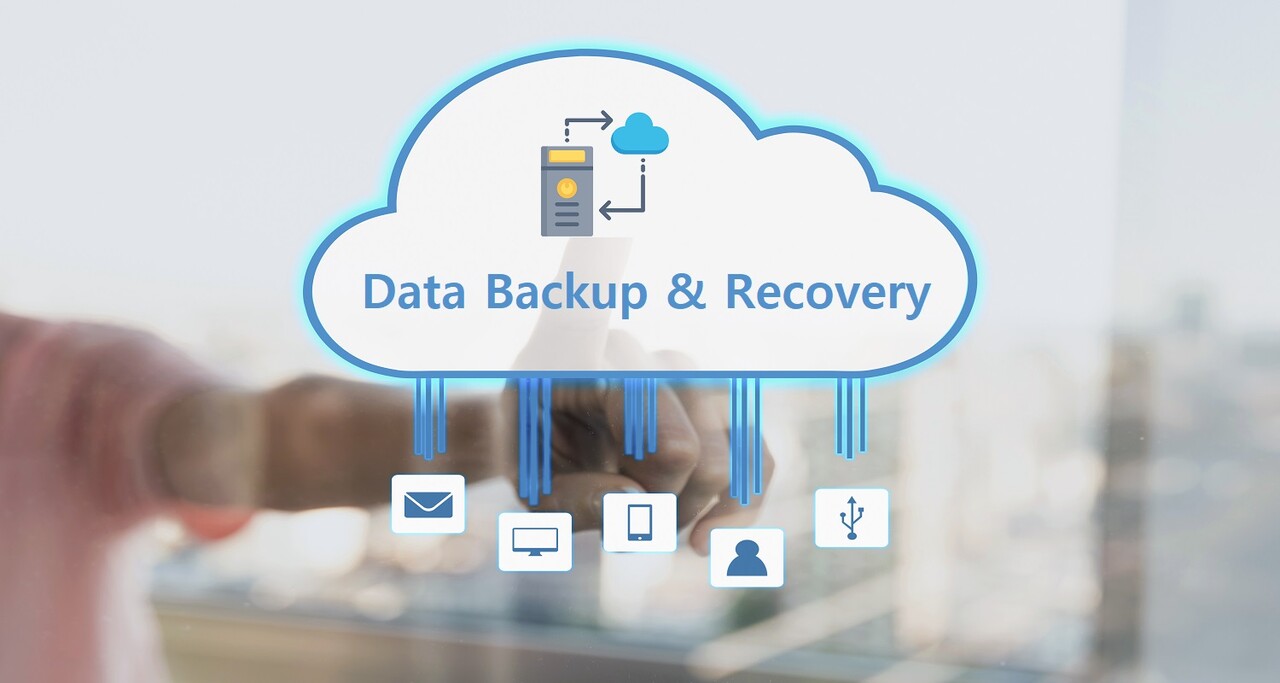
Backup and Data Recovery: The Cornerstone of Modern Business Security
In today’s rapidly accelerating digital world, data has become the lifeblood of any business. From vital customer records to valuable intellectual property, data loss can lead to severe consequences, ranging from significant financial losses to damage to a company’s reputation. Therefore, backup and data recovery are no longer just an option, but an imperative necessity to ensure business continuity and resilience in the face of increasing challenges.
The Importance of Backup and Data Recovery
The importance of backup extends beyond merely protecting against data loss. It is an integral part of a comprehensive cybersecurity and business continuity strategy. Here are some key reasons why it is crucial:
•Protection against Data Loss: Whether due to human error, hardware failure, malware attacks, or natural disasters, regular backups ensure that recoverable copies of your data exist.
•Disaster Recovery: In the event of a major disaster (such as a fire, flood, or widespread cyberattack), a robust data recovery plan allows you to resume operations quickly and minimize downtime.
•Regulatory Compliance: Many industries and regulations (such as GDPR, HIPAA) require companies to retain backups of their data for specified periods, making backup a legal necessity.
•Protection against Ransomware Attacks: Ransomware attacks are a growing threat. Recent and offline backups can be the last line of defense against these attacks, allowing companies to restore their data without paying the ransom.
•Business Continuity: Backup and data recovery ensure that businesses can continue to provide their services and products even under difficult circumstances, maintaining customer trust and reducing operational disruptions.
Latest Trends in Backup and Data Recovery for 2025
The field of backup and data recovery is undergoing rapid developments to keep pace with the evolving landscape of threats and technologies. Here are some key trends shaping this field in 2025 [1, 2, 3, 4, 5, 6, 7, 8, 9, 10]:
•Immutable Backups: This technology has become a cornerstone of protection against ransomware attacks. Immutable backups ensure that once data is written, it cannot be modified or deleted, even by attackers.
•Artificial Intelligence and Machine Learning (AI/ML) in Backup: AI and ML are being used to optimize backup processes, identify anomalies that may indicate an attack, improve recovery speed, and predict hardware failures.
•Hybrid Cloud Backup: Companies are increasingly combining on-premises and cloud backup solutions to achieve maximum flexibility and security. Cloud backup offers scalability and remote access, while on-premises solutions provide rapid recovery for the most critical data.
•Disaster Recovery as a Service (DRaaS): DRaaS allows businesses to leverage service providers’ cloud infrastructure for rapid disaster recovery without the need for significant investment in their own infrastructure.
•Converged Data Security: Companies are moving towards integrating backup and data recovery solutions with broader cybersecurity strategies, providing a unified view and comprehensive data protection.
•Unstructured Data Backup: With the exponential growth of unstructured data (such as documents, images, videos), backup solutions are increasingly focusing on effectively managing and protecting these types of data.
•Backup as a Service (BaaS): BaaS offers a simplified backup solution, where the service provider manages all aspects of the backup process, reducing the burden on internal IT teams.
Best Practices for Backup and Data Recovery
To ensure the effectiveness of a backup and data recovery strategy, companies should follow these best practices [1, 2, 3, 4, 5, 6, 7, 8, 9, 10]:
1.Implement the 3-2-1 Rule: Keep three copies of your data, on two different storage media, with at least one copy offsite.
2.Regularly Test Backups: It’s not enough to just take backups; they must be regularly tested to ensure they can be successfully restored.
3.Automate Backup Processes: Minimize human error and ensure consistency by automating backup schedules.
4.Encrypt Data: Encrypt data both in transit and at rest to protect it from unauthorized access.
5.Define Recovery Time Objectives (RTO) and Recovery Point Objectives (RPO): These objectives define how long it can take to recover from a disaster and how much data loss can be tolerated.
6.Develop a Disaster Recovery Plan (DRP): You should have a detailed and documented plan outlining the steps to be taken before, during, and after a disaster.
7.Train Employees: Ensure employees are aware of the importance of data security and their role in maintaining it.
8.Backup Cloud Data: Do not assume that data stored in the cloud is automatically protected; back it up independently.
9.Regularly Review and Update the Strategy: As technology and threats evolve, the backup and data recovery strategy should be periodically reviewed and updated.
10.Use Integrated Solutions: Consider using comprehensive solutions that combine backup, disaster recovery, and cybersecurity.
Conclusion
Backup and data recovery are vital components of any organization’s cybersecurity and business continuity strategy. By understanding the latest trends and implementing best practices, businesses can protect their most valuable assets – their data – and ensure their ability to recover quickly from any unexpected event, preserving their reputation and ensuring the continuity of their operations in an ever-changing digital world.




No comment